Topic
Blockchain, decoded
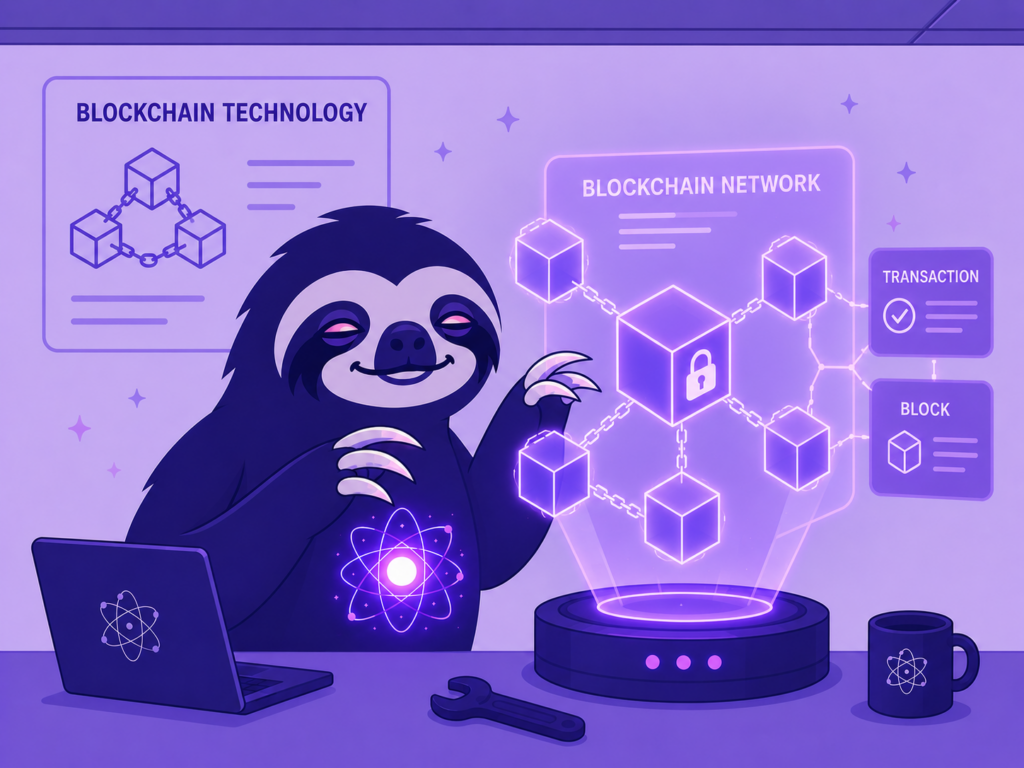
A blockchain is an interconnected network that is decentralized by nature and is often secured with advance cryptography. Every interaction is logged and documented via blocks. All new blocks gets added onto the previous blocks; these added blocks get documented & validated by the participants on the network before being added to the chain.
Features That Make Strong Blockchains
Shared trust/Decentralization
Instead of relying on one central database, multiple participants can verify the same record across a network.
Programmable value
Smart contracts allow rules, transfers, and automated actions to run directly on-chain when conditions are met.
Traditional Cryptography
Almost all solutions in blockchain technology have advanced cryptography(ciphers, encryption, decryption, hashes) built into all interactions on the blockchain. When a block is added, the cryptography method in use will hide the private key, while sharing/showing the public key only. Traditional cryptography methods like in bitcoin served well in setting a foundation for the blockchain technology, and still function to this day.
Post Quantum Security & Cryptographic Agility
Not all are blockchains are post-quantum secure or display cryptographic agility. That means they are not ready for quantum computers that could potentially figure out a private key from an exposed public key with traditional cryptography. Only blockchain that displays post-quantum cryptography and cryptographic agility; will truly be able to survive the evolving security threats of the future. Traditional crypto is currently looking at solutions to upgrade into this feature, which is no easy task for an established blockchain. To be truly post quantum secure the blockchain should be secure from the very first block.
Relationship with other Cool technology
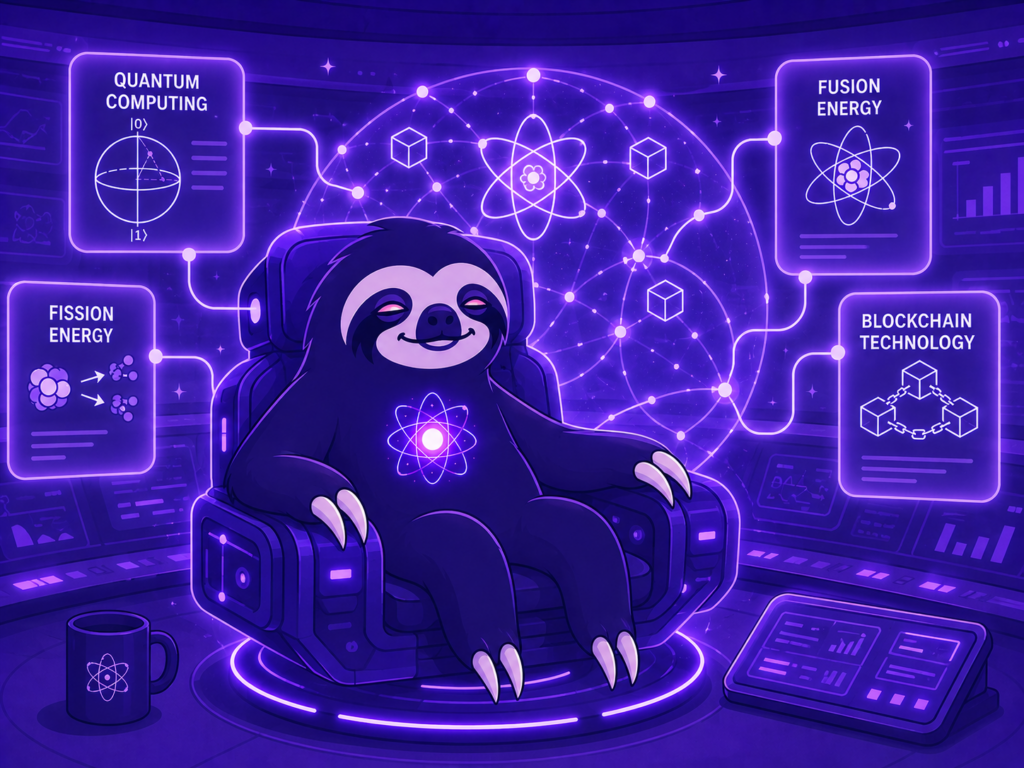
How Blockchain Relates To Quantum Computing
Most blockchains operate off of proof of work, or proof of stake algorithms to add a block to the blockchain. Quantum computers could potentially do proof of work & staking faster and with more power efficiency than traditional computers.
Scalability
One thing that gives a blockchain value is scalability. The hardware that a blockchain runs on determines its scalability just as much as the actual code optimizes it. Quantum computing means more blocks that can be added to the chain for less energy.
Security
The strength of the chain depends on code quality, validator incentives, and how resilient the ecosystem is under stress. The underlying method for cryptography is also a key factor. Is the blockchain quantum computer proof? This is a key factor that will decide success in blockchains moving forward.
How Blockchain Relates To Fusion/Fission
Blockchains require massive amounts of power from various decentralized devices to run their network. Improvements in power will positively effect blockchain technology.
Scalability
The major problem with blockchain technology is that it uses finite resources at a rapid rate, improvements to fusion and fision technology can create longevity for blockchain technology.
Security
Without various devices, the network is not able to be truly decentralized. Improving nuclear technologies will further enhance the ability to maintain constant participation from devices throughout the world.